

Smart Tech, Human Touch: Balancing AI and AFib Care
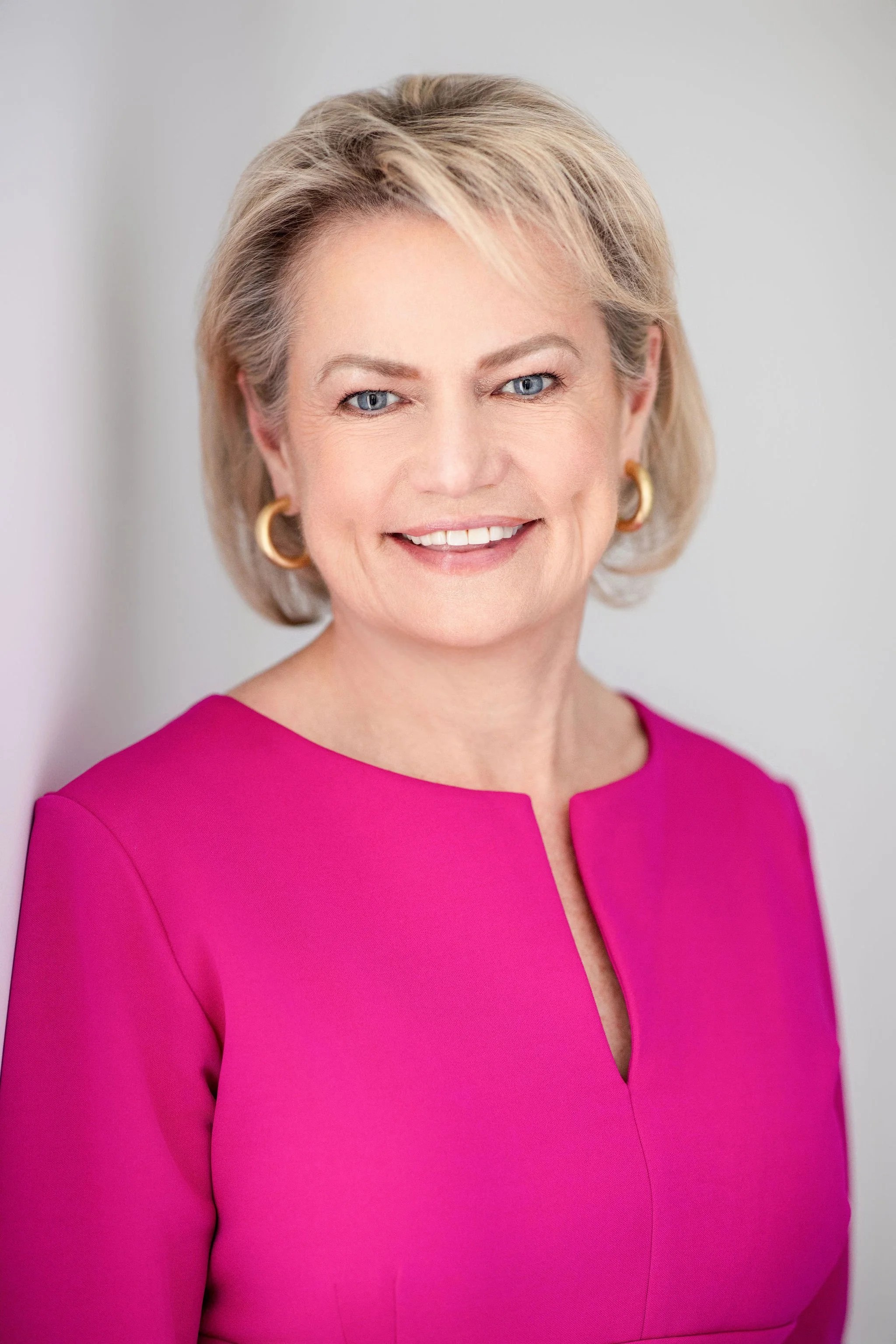
Diane Tomb
Tomb and Associates Advisory Draws from Personal Experience Urging Policymakers to Protect Human Connection in Healthcare While Embracing Technological Advances
WASHINGTON, DC, UNITED STATES, September 7, 2025 /EINPresswire.com/ -- Diane Tomb, founder of Tomb and Associates Advisory, is calling attention to the critical need to balance technological innovation with the doctor–patient relationship in healthcare. In a new article published today on her website, dianetomb.com, Tomb highlights the growing role of artificial intelligence in detecting and managing atrial fibrillation (AFib) while cautioning that innovation must never come at the expense of human care.
“AFib, or atrial fibrillation, is more than a
For Tomb, the issue is deeply personal. She recalls her mother’s recent health scare, which underscored both the promise of technology and the irreplaceable role of compassionate care: “My mom recently had a fall that revealed heart issues among other health issues,” Tomb explained. These variations highlight why personalized approaches matter so much, and AI is rising to meet that need.”
The article emphasizes the revolutionary potential of AI, from wearable devices that catch silent heart rhythm irregularities to data-driven insights that allow doctors to personalize care with unprecedented precision.
“A smartwatch alerting someone to an uneven rhythm during a morning walk is no longer science fiction,” Tomb notes.
Yet Tomb warns against allowing technology to eclipse the role of human empathy and trust: “A diagnosis delivered by an app might be accurate, but it lacks context like the reassurance of a doctor's steady gaze or a thoughtful explanation. We must guard against equating data with healing.”
Beyond patients and providers, Tomb highlights the responsibility of policymakers to ensure that innovation strengthens rather than weakens trust in the healthcare system.
“Policymakers have a role here too, crafting rules that spur innovation without sidelining relationships,” she writes. “We need investments in research that measure not just clinical outcomes, but patient satisfaction and trust levels.”
Her conclusion is a call to collaboration across all sectors of healthcare: “The future lies in blending AI's precision with human wisdom to foster a healthier world. With thoughtful leadership, we can guide this evolution. Medical professionals, policymakers, and patients alike can collaborate to ensure tech amplifies the trust and connection at healthcare's heart.”
The full article, “Smart Tech, Human Touch: Balancing AI and AFib Care,” is available now at www.dianetomb.com.
About Diane Tomb
Diane Tomb is the founder of Tomb and Associates Advisory. She has long advised leaders across sectors on issues at the intersection of policy, innovation, and human impact. Drawing from both professional expertise and personal experience, Tomb advocates for policies that ensure technology serves humanity while strengthening trust in vital institutions.

No comments:
Post a Comment